
Top 10 Traditional Jewellery Trends for Diwali 2026: Timeless Styles for a Festive Look
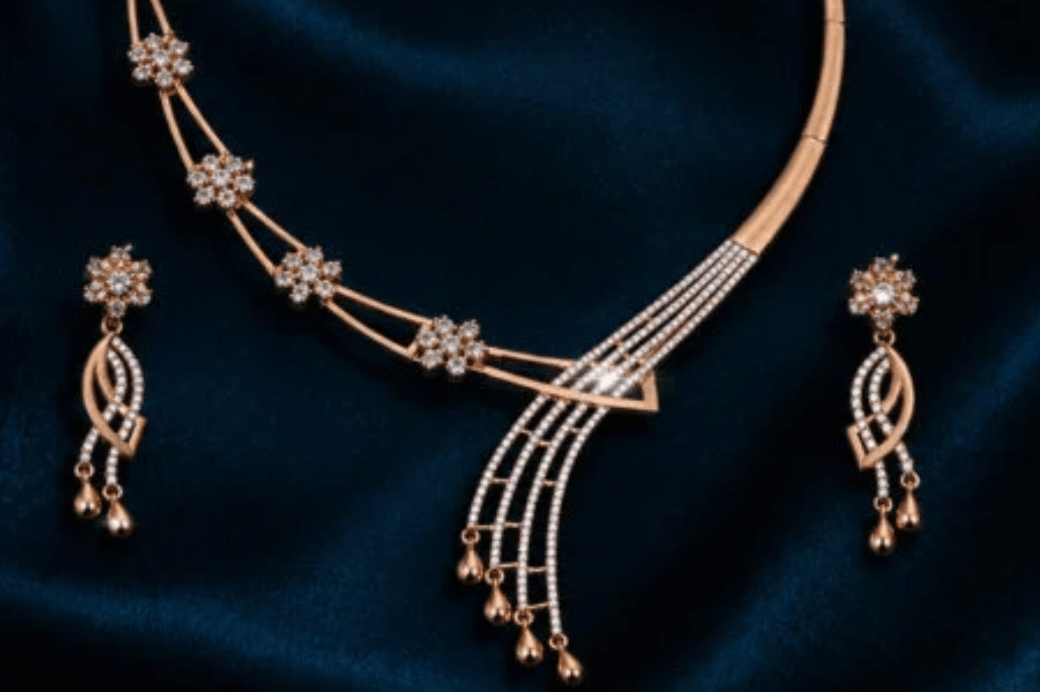
Diwali is a time when homes shine with beautiful decorations, traditional outfits come out of the wardrobe, and families come together to celebrate. Jewellery adds the finishing touch to these moments. The right pair of earrings, a graceful necklace or a statement bangle can make even a simple festive outfit feel special.
The traditional jewellery trends for Diwali 2026 bring together the charm of Indian craftsmanship and the comfort of modern styling. From temple-inspired gold pieces and colourful Kundan designs to pearl jewellery and delicate layered necklaces, there are plenty of ways to create a festive look that reflects your personality.
However, choosing Diwali jewellery is not just about following trends. It is also about finding pieces that complement your outfit, suit the occasion and feel comfortable throughout the celebration. You may prefer a grand traditional look for a family puja or something lighter for meeting friends and visiting relatives.
In this guide, we explore ten traditional jewellery styles worth considering for Diwali 2026. You will also find practical styling ideas, tips for selecting jewellery and suggestions for choosing pieces that can be worn beyond the festive season.
Why Is Traditional Jewellery a Popular Choice for Diwali?
Traditional jewellery has a special place in Indian celebrations. It connects festive fashion with cultural design elements, including floral patterns, temple motifs, intricate gold work, colourful stones and pearl details.
During Diwali, people often choose jewellery that complements the richness of traditional clothing. A gold necklace can add warmth to a silk saree, while a pair of Kundan earrings can bring elegance to an embroidered suit.
Another reason traditional jewellery remains popular is its versatility. Many designs can be styled for weddings, festivals, family functions and other celebrations. Instead of purchasing a separate piece for every occasion, you can choose jewellery that works with different outfits.
For Diwali 2026, consider designs that balance three things:
- Festive appeal: Jewellery should complement the colour and detail of your outfit.
- Comfort: Lightweight and well-fitted pieces are useful when celebrations continue for several hours.
- Versatility: Choose designs that you can wear again for other occasions.
Top 10 Traditional Jewellery Trends for Diwali 2026
The following styles offer a mix of classic Indian designs and contemporary festive looks. They are useful ideas when planning your Diwali wardrobe.
1. Traditional Gold Jewellery for a Classic Diwali Look
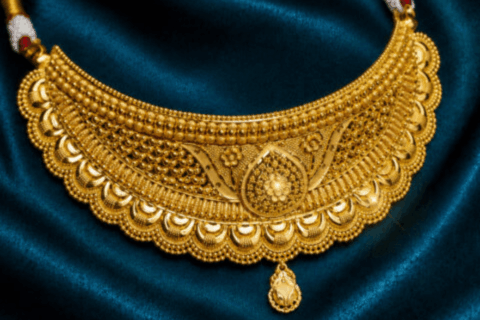
Gold jewellery remains one of the most recognisable choices for Indian festive dressing. Its warm colour pairs well with traditional fabrics such as silk, brocade, Banarasi-inspired textiles and embroidered outfits.
For Diwali, you can choose a gold necklace, chain, bangle, kada or pair of earrings depending on your clothing and the occasion. A traditional necklace with detailed motifs can become the centrepiece of a saree look. On the other hand, simple gold earrings and bangles can add elegance without making the outfit feel too heavy.
How to style gold jewellery
- Pair a traditional gold necklace with a silk saree or embroidered lehenga.
- Wear gold jhumkas with a simple kurta set for a balanced festive look.
- Combine a gold kada with a plain or lightly embroidered outfit.
- Choose a delicate gold chain when your neckline already has heavy embroidery.
Styling idea: If you are wearing a deep red, green or maroon outfit, traditional gold jewellery can create a rich and coordinated appearance. For pastel outfits, consider simpler gold designs that do not overpower the softer colours.
Gold jewellery is also a practical choice for people who want festive pieces that can be styled on different occasions. Before purchasing, check the stated purity, hallmark details where applicable, weight and making charges.
2. Kundan Jewellery for a Royal Traditional Appearance
Kundan jewellery is known for its detailed setting and decorative appearance. It often features clear stones, coloured accents and elaborate patterns inspired by traditional Indian jewellery.
A Kundan necklace can look beautiful with a lehenga, anarkali suit or a saree. Matching earrings create a coordinated appearance, while a statement Kundan pair can also be worn with a simpler outfit.
For Diwali celebrations, you do not always need a complete heavy set. A medium-sized necklace or a pair of Kundan earrings may be enough to give your outfit a festive finish.
Kundan styling tips
- Choose a necklace length that suits your neckline.
- Pair a detailed Kundan set with solid-colour clothing.
- Select earrings with matching colours if your outfit has stone or threadwork.
- Avoid wearing too many statement pieces together.
Styling idea: A cream or pastel outfit paired with a Kundan necklace can create a graceful traditional look. If you prefer richer colours, try coordinating the stones with your outfit rather than matching every detail exactly.
3. Polki Jewellery for Elegant Festive Styling
Polki jewellery is appreciated for its traditional appearance and distinctive stone settings. Its detailed designs can add a rich touch to festive outfits, especially when paired with silk sarees, lehengas and traditional suits.
Polki necklaces, chokers, earrings and pendant sets are options to consider for Diwali. A statement Polki necklace works well when the outfit has a simple neckline. Alternatively, Polki earrings can add interest when you prefer not to wear a necklace.
How to wear Polki jewellery
- Style a Polki choker with a broad or open neckline.
- Wear statement Polki earrings with your hair tied back.
- Pair a detailed necklace with a plain saree to keep the overall look balanced.
- Choose smaller Polki pieces for gatherings where you want a lighter appearance.
Styling idea: A Polki necklace with an emerald-green, wine or ivory outfit can create a traditional festive combination. Keep other accessories simple so the necklace remains the main attraction.
When shopping, ask about the materials, stones, setting and care instructions. The appearance of a design alone does not establish its composition or value.
4. Temple Jewellery Inspired by Traditional Indian Motifs
Temple-inspired jewellery features design elements such as floral patterns, traditional figures, decorative borders and detailed pendants. These pieces are often associated with classical Indian styling and traditional festive clothing.
A temple necklace can make a strong impression with a silk saree. Temple jhumkas, pendants and bangles are also useful choices when you want to add traditional detail without wearing a complete jewellery set.
Best ways to style temple jewellery
- Pair a temple necklace with a silk saree for a traditional look.
- Choose temple jhumkas with a simple kurta or anarkali.
- Wear a statement pendant when you want to keep your neckline less crowded.
- Coordinate the jewellery with the traditional details in your outfit.
Styling idea: A traditional green or mustard outfit can pair beautifully with temple-inspired gold-tone designs. For a more balanced appearance, select one prominent piece and keep the remaining accessories understated.
Temple jewellery is worth considering if you enjoy designs that have a strong connection with Indian traditional aesthetics.
5. Meenakari Jewellery for Colourful Festive Outfits
Meenakari jewellery is known for its decorative enamel work and colourful details. Red, green, blue and other shades can bring a lively touch to festive clothing.
This style is particularly useful when your Diwali outfit includes embroidery, colourful borders or traditional prints. Meenakari earrings, necklaces, pendants and bangles can complement these details.
How to style Meenakari jewellery
- Match one enamel colour with a detail in your outfit.
- Wear colourful earrings with a plain kurta or saree.
- Choose a Meenakari necklace when your outfit has a simple neckline.
- Avoid combining too many competing colours in one look.
Styling idea: A white, cream or yellow outfit can provide a clean background for colourful Meenakari jewellery. Similarly, a deep-coloured saree can look attractive with pieces that include small matching colour accents.
If you prefer jewellery that adds colour without relying entirely on gemstones, Meenakari designs are a style to explore.
6. Pearl Jewellery for a Graceful and Understated Look
Pearl jewellery offers a softer alternative to elaborate festive designs. Its subtle appearance makes it suitable for people who prefer elegance over a heavily decorated look.
Pearl necklaces, drop earrings, pearl-studded pendants and layered pearl designs can be styled with sarees, suits and Indo-western outfits. They are also useful for smaller Diwali gatherings where you want to dress up without wearing heavy jewellery.
Pearl jewellery styling ideas
- Wear a pearl necklace with a pastel saree.
- Pair pearl drop earrings with an embroidered kurta.
- Combine a pearl pendant with a simple chain for a minimal look.
- Choose a layered pearl design when your outfit has a clean neckline.
Styling idea: Pearl jewellery with ivory, blush pink, lavender or powder blue clothing can create a soft festive appearance. For a more traditional combination, look for pearl details paired with gold-tone settings.
Before buying pearl jewellery, ask whether the pearls are natural, cultured or imitation. These categories differ, so it is important to understand what you are purchasing.
7. Traditional Jhumka Earrings for Every Festive Occasion
Jhumkas are a familiar part of Indian jewellery styling. Their bell-shaped design, decorative details and variety of sizes make them suitable for many festive outfits.
You can find simple gold jhumkas, stone-studded designs, pearl-drop styles, Meenakari patterns and elaborate traditional options. The right pair depends on your outfit, hairstyle and personal comfort.
Choosing the right jhumkas
- Select smaller jhumkas for long celebrations or lighter outfits.
- Choose larger designs when your outfit has a traditional silhouette.
- Pair detailed jhumkas with a simple necklace or no necklace.
- Check the earring weight and fastening before purchasing.
Styling idea: Gold jhumkas with a silk saree create a classic festive combination. For a more colourful look, choose designs with red or green accents that coordinate with your outfit.
Jhumkas are especially useful when you want one accessory to make a visible difference to your appearance without wearing a complete jewellery set.
8. Layered Necklaces for a Rich Traditional Look
Layered necklaces bring depth to festive styling. Depending on the design, they may combine different chain lengths, pearl strands, decorative beads or traditional pendants.
This style can work well with sarees and lehengas, particularly when the neckline offers enough space for the layers to sit comfortably. However, the number of layers should suit your outfit. Too many decorative elements can make the overall look feel crowded.
Tips for wearing layered necklaces
- Combine different lengths so each layer remains visible.
- Match the necklace style with the neckline of your blouse or outfit.
- Keep earrings smaller if the necklace is elaborate.
- Check that the layers do not twist or catch on your clothing.
Styling idea: A layered pearl and Kundan-style necklace can complement a plain festive saree. For a simpler look, combine a short necklace with a longer pendant chain.
Layered designs are a good option if you want your neckline to become the main feature of your Diwali outfit.
9. Traditional Bangles and Kadas for Festive Finishing
Bangles and kadas are important accessories in traditional Indian dressing. They can complete a saree or suit look and add detail to your hands without requiring a necklace or elaborate earrings.
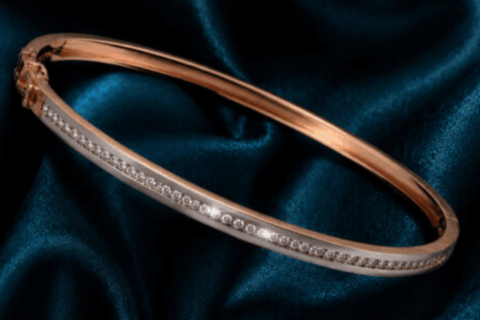
Traditional gold bangles, openwork designs, stone-studded kadas and decorative sets offer different styling possibilities. You can wear a single statement kada or combine several slimmer bangles, depending on the outfit.
How to style bangles and kadas
- Pair traditional bangles with a silk saree.
- Wear a statement kada with a simple kurta.
- Coordinate stone accents with your outfit’s embroidery.
- Choose a comfortable size that does not restrict wrist movement.
Styling idea: A pair of traditional bangles can complement a festive saree, while a single broad kada can work well with an embroidered suit. If your sleeves have heavy detailing, choose simpler wrist jewellery to avoid a crowded appearance.
Comfort matters here. Check the fit, edges, clasp and overall finish before purchasing a bangle or kada.
10. Antique-Finish and Rajwadi Jewellery for a Heritage-Inspired Look
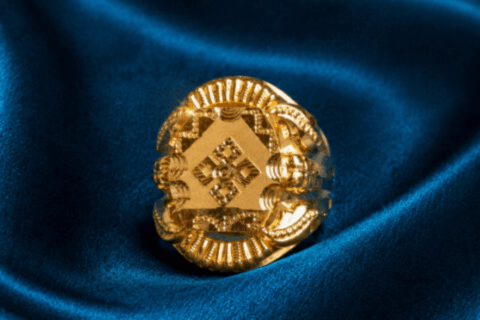
Antique-finish and Rajwadi-inspired jewellery can bring a distinctive traditional character to festive dressing. These designs often feature detailed motifs, textured surfaces, decorative settings and rich-looking patterns.
A statement Rajwadi necklace can work well with a lehenga or a traditional saree. Antique-finish earrings and kadas are also useful when you want to add a heritage-inspired element to a simpler outfit.
Styling antique and Rajwadi jewellery
- Pair a statement necklace with a solid-colour saree.
- Choose antique-finish earrings when your outfit already has detailed embroidery.
- Wear a decorative kada with a traditional suit or lehenga.
- Keep your other accessories simple when the jewellery has elaborate detailing.
Styling idea: A maroon, navy, bottle-green or cream outfit can provide a suitable background for antique-finish jewellery. Choose the design according to the outfit’s neckline and overall level of detail.
These styles are worth exploring if you enjoy traditional Indian motifs and jewellery with a bold visual presence.
How to Choose the Right Traditional Jewellery for Your Diwali Outfit
Following a trend is useful for discovering new designs, but the best jewellery choice is the one that works with your clothing and comfort. Before selecting a piece, consider these factors.
1. Match jewellery with your outfit’s neckline
The neckline can influence how a necklace looks. A choker may suit a broad neckline, while a longer necklace can work with a simpler or deeper neckline. If your blouse already has heavy embroidery around the neck, statement earrings may be a better choice.
2. Consider the outfit’s colour
You do not need to match jewellery and clothing in exactly the same shade. Instead, look for colours that complement one another.
For example:
- Red and maroon outfits can pair with traditional gold or Kundan-inspired designs.
- Green outfits can work with gold jewellery and selected red or pearl accents.
- Pastel clothing can look graceful with pearls or delicate stone settings.
- Ivory and cream outfits can provide a background for colourful Meenakari jewellery.
3. Balance heavy and light accessories
If you are wearing a statement necklace, you may not need large earrings as well. Similarly, large jhumkas can look more effective when the neckline is kept simple.
Choose one main feature for your look. This helps each accessory stand out.
4. Think about how long you will wear the jewellery
Diwali celebrations can include puja, family visits, meals and social gatherings. Heavy earrings or tight bangles may become uncomfortable after a few hours.
For longer events, consider lightweight earrings, comfortable necklaces and properly fitted bangles. Always check the clasp and fastening before leaving home.
5. Choose jewellery you can wear again
A festive purchase becomes more useful when it works with more than one outfit. Simple gold earrings, pearl pendants, classic bangles and medium-sized necklaces can often be styled for weddings, family functions and other celebrations.
Before buying, think about at least two or three outfits with which you could wear the piece.
Diwali Jewellery Ideas for Different Occasions
Not every Diwali event calls for the same jewellery. You can adjust your style according to the occasion.
Jewellery for Diwali puja
For a family puja, consider simple gold earrings, a delicate necklace, a small pendant or traditional bangles. Choose comfortable pieces that will not distract you during the ceremony.
Jewellery for family gatherings
Family gatherings offer room for a slightly more decorative look. Kundan earrings, pearl necklaces, Meenakari designs or a traditional kada can complement a festive saree or suit.
Jewellery for Diwali parties
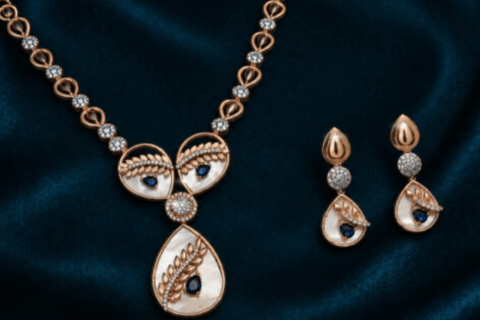
For an evening party, consider a statement necklace or bold earrings. If your outfit is modern or Indo-western, a contemporary gold design or rose gold accent may create a balanced combination.
Jewellery for visiting friends and relatives
When visiting several homes, comfort and versatility are important. Medium-sized earrings, lightweight necklaces and simple bangles can help you maintain a festive appearance without wearing too many heavy pieces.
How to Select Diwali Jewellery According to Your Budget
A beautiful festive look does not require purchasing many expensive pieces. A thoughtful selection can make your existing wardrobe feel fresh.
Start by deciding how much you want to spend. Then identify the type of jewellery that will make the biggest difference to your outfit.
For example, if you already own a suitable necklace, you may only need a new pair of earrings. If your saree has a simple neckline, a necklace may be a more useful addition.
Before making a purchase, compare the following details:
- Metal type and stated purity.
- Weight and overall design.
- Stone type and setting details.
- Making charges and applicable taxes.
- Hallmark or certification information, where relevant.
- Exchange, return and repair policies.
- Care and storage instructions.
Ask the jeweller to explain the final price clearly. For precious jewellery, request the relevant bill and product details. Do not assume that two pieces with a similar appearance have the same material, purity or value.
Traditional Jewellery Shopping in Jabalpur: What Should You Look For?
If you are shopping locally, visiting a jewellery showroom can help you understand how a design looks when worn. Product photographs are useful, but they may not show the actual scale, weight, finish or fit of a piece.
When comparing jewellery in Jabalpur, take time to examine the design and ask questions about its materials. Try different necklace lengths and earring sizes if possible. Also, check whether the piece suits the clothing you plan to wear during Diwali.
Bhura Jewels Sunidhi is a jewellery destination in Jabalpur with a heritage dating back to 1860. Its jewellery collections include traditional and contemporary styles across categories such as gold, diamond, Polki, Rajwadi, rose gold and more.
You can explore designs based on your preferred style, whether you are looking for traditional gold jewellery, statement earrings, a festive necklace or a special-occasion piece.
Store details:
Bhura Jewels Sunidhi
894/1, Beside Maharashtra High School, Wright Town, Jabalpur, Madhya Pradesh – 482002
Phone: +91 911 114 4001
Telephone: 0761 2415001
Website: https://bhurajewels.com/
Before visiting, you can explore the website and identify the jewellery styles you would like to see. For a more useful shopping experience, carry a photograph of your Diwali outfit or note its colour and neckline.
Common Mistakes to Avoid When Choosing Diwali Jewellery
Even an attractive jewellery piece may not work well if it does not suit the outfit or occasion. Keep these common mistakes in mind.
Wearing too many statement pieces
A large necklace, heavy earrings, broad bangles and a decorative maang tikka may compete for attention. Choose one or two main accessories and keep the rest simpler.
Ignoring comfort
Jewellery should feel secure and comfortable. Check earring weight, necklace clasps, bangle size and sharp edges before purchasing.
Choosing a design only because it is trending
A trend may look attractive in photographs but may not suit your personal style. Choose designs that you genuinely enjoy and can wear more than once.
Forgetting the outfit’s detailing
If your saree or lehenga already has heavy embroidery, a simpler jewellery design may create a better balance. Detailed jewellery often looks more effective with less decorated clothing.
Not checking product details
For gold, diamond, pearl and gemstone jewellery, ask about the material, purity, stone details and applicable documentation. Read the bill and purchase terms before completing the transaction.
How to Care for Traditional Jewellery After Diwali
Proper care helps keep jewellery in good condition. Different materials may require different cleaning methods, so follow the jeweller’s instructions for each piece.
Here are some general storage and care practices:
- Store pieces separately: Use individual pouches or compartments to reduce scratches and tangling.
- Keep jewellery dry: Avoid storing pieces while they are wet or damp.
- Limit contact with chemicals: Perfume, hairspray, cosmetics and cleaning products may affect some jewellery finishes.
- Handle delicate settings carefully: Avoid pulling chains or applying pressure to stone settings.
- Clean according to material: Do not use household cleaners or abrasive products unless the jeweller confirms they are suitable.
- Check clasps and fastenings: Inspect chains, earrings and bangles before wearing them again.
- Use professional care when needed: Ask a qualified jeweller to inspect loose stones, damaged clasps or delicate settings.
A little attention after the celebrations can help you enjoy your jewellery for future occasions.
Frequently Asked Questions About Traditional Jewellery Trends for Diwali 2026
1. What are the top traditional jewellery trends for Diwali 2026?
Traditional gold jewellery, Kundan sets, Polki designs, temple-inspired jewellery, Meenakari pieces, pearl necklaces, jhumka earrings, layered necklaces, bangles and antique-finish jewellery are styles worth considering for Diwali 2026.
2. Which jewellery is best for a traditional Diwali outfit?
Gold necklaces, traditional jhumkas, Kundan earrings and bangles are popular choices for traditional outfits. Select a design according to your outfit’s colour, neckline and level of embroidery.
3. Is lightweight jewellery suitable for Diwali celebrations?
Yes. Lightweight jewellery is a practical choice for long celebrations, family visits and puja. Small gold earrings, delicate necklaces, pearl pendants and slim bangles can create a festive look without feeling too heavy.
4. How can I style traditional jewellery with a modern outfit?
Combine one traditional accessory with a contemporary outfit. For example, wear Kundan earrings with an Indo-western suit, a traditional kada with a plain dress or a pearl necklace with a modern saree. Keep the remaining accessories simple.
5. Which jewellery colours go well with Diwali outfits?
Gold works well with many traditional colours, including red, green, maroon and mustard. Pearls can complement pastel and cream outfits, while colourful Meenakari details can add contrast to simple clothing. Choose combinations that suit your outfit rather than following strict colour rules.
6. Where can I explore traditional jewellery in Jabalpur?
You can explore traditional and contemporary jewellery collections at Bhura Jewels Sunidhi, located at 894/1, Beside Maharashtra High School, Wright Town, Jabalpur, Madhya Pradesh – 482002. Visit https://bhurajewels.com/ to learn more about the store and its collections.
7. What should I check before buying gold or diamond jewellery for Diwali?
Check the stated metal purity, hallmark details where applicable, product weight, stone information, making charges, taxes and purchase policies. For diamond jewellery, ask about the diamond details and any grading or certification documents provided with the product.
Conclusion: Celebrate Diwali 2026 with Jewellery That Reflects Your Style
Traditional jewellery brings together personal style, festive clothing and the beauty of Indian design. From classic gold necklaces and Kundan sets to colourful Meenakari pieces, pearl jewellery and statement jhumkas, there are many ways to create a memorable Diwali look.
The most suitable choice is not necessarily the heaviest or most elaborate design. It is the piece that complements your outfit, feels comfortable and suits the way you celebrate. Think about the occasion, your preferred colours and how often you can wear the jewellery after Diwali.
If you are exploring traditional and contemporary jewellery in Jabalpur, discover the collections at Bhura Jewels Sunidhi, a jewellery destination with a heritage dating back to 1860. Explore the designs at https://bhurajewels.com/ or visit the showroom in Wright Town, Jabalpur, to find jewellery for your festive wardrobe.
Make this Diwali special with jewellery that feels meaningful, looks beautiful and remains part of your style for years to come.